Affichage des articles dont le libellé est distribution China. Afficher tous les articles

lundi 14 juillet 2025

Electricity Distribution in China: deep analysis


. Let’s analyze electricity distribution in China with an engineer’s mindset — using system thinking, data flow, and infrastructure layering.


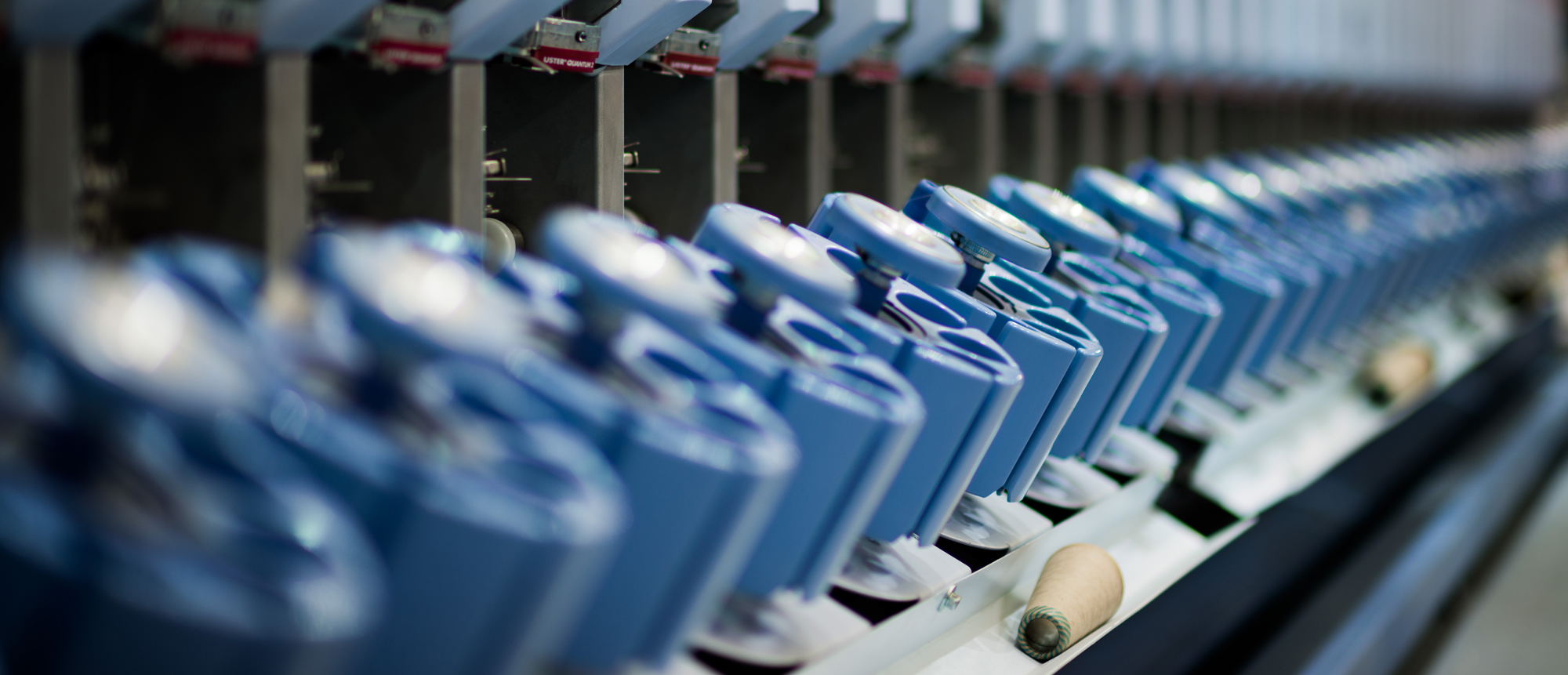
photo source aventech, leading electrity Supplier


⚡️ Electricity Distribution in China — Engineering View

1. System Overview

China has one of the world’s largest and most complex electricity distribution systems, built to serve:

  • 1.4+ billion people

  • Vast geography (urban, industrial, rural, mountainous)

  • Diverse generation sources (coal, hydro, nuclear, wind, solar)


2. Architecture Layers of Power System

a. Generation

  • Main sources:

    • Coal (~55% as of 2024)

    • Hydropower (Three Gorges Dam = largest in world)

    • Nuclear

    • Wind & Solar (massive investments recently)

  • Owned by: Central and provincial governments, state-owned enterprises (SOEs)

b. Transmission (超高压输电)

  • Ultra High Voltage (UHV) AC & DC lines

    • 800kV UHVDC: Transmit power thousands of km (e.g., west-to-east)

    • Grid operated by:

      • State Grid Corporation of China (SGCC) – ~88% coverage

      • China Southern Power Grid (CSG) – ~12% (Guangdong, Yunnan, etc.)

c. Distribution

  • From substations → homes/factories

  • Voltage steps down:

    • 500kV → 220kV → 110kV → 10kV → 220V (residential)

  • Smart grid systems increasingly used

  • Urban vs. rural distribution differ greatly in quality & investment


3. Key Characteristics (Engineering Insights)

FeatureDetails
ScaleLargest grid globally (~2,000 GW capacity)
ControlCentralized; top-down by SGCC & CSG
InnovationLeading in UHV transmission, smart grids, AI-powered load balancing
ChallengesRegional imbalance: generation (West) vs. consumption (East)
Peak demandSummer/winter (AC/heating); load forecasting critical

4. Pros & Cons

ProsCons
Advanced UHV tech → low loss over long distanceMassive grid = complexity, risk of blackouts
Strong central planning → rapid upgradesHard for private/foreign firms to compete
High renewable integration capacityCurtailment still happens (esp. wind in Inner Mongolia, solar in Qinghai)
Smart grid pilot zones expanding fastRural areas lag behind in reliability

5. Tech Ideas for Improvement

🔧 Idea: Decentralized Microgrid for Rural China

  • Problem: Remote villages suffer from low reliability & long outage recovery times.

  • Solution:

    • Deploy local solar + battery packs

    • Local microgrid with edge computing-based load control

    • Mesh connectivity between villages for redundancy

Architecture:

  • PV + Battery → Inverter → Local AC microgrid

  • Raspberry Pi / Edge AI controller for real-time load balancing

  • Optional link to national grid via low-voltage backhaul

Use case: Western provinces (Tibet, Xinjiang, Sichuan highlands)

mercredi 18 janvier 2023

Sharing experience working with Chinese Dealers


We got you covered here; we have 10 years of experience working with Chinese Dealers, and will avoid you waist too much time in research, sharing you here our top 2 don’ts or problems:


watchin this video maybe first 


NEVER  send emails

Chinese distributors never read emails. NEVER


Emails in China are part of history.


We can see your surprised face from here. How do they communicate if they don’t use emails then?


The magic word: WeChat


WeChat is a social platform launched in 2011 by the Chinese company Tencent. This "super app", which is very popular in China, offers a multitude of functions to its users as well as to companies: instant messaging, exchange of audio and video content, payment by telephone, geolocation services, online store, blog, etc. Thanks to mini programs integrated in WeChat, the user can do everything on the web, without having to leave the application.

It is so integrated into Chinese society, that going out without your phone/WeChat would make your life almost impossible.


Above all, WeChat is the number one way to communicate with you Chinese friends, family, coworkers, Business Partners…everyone in your Chinese life use WECHAT 


 The Super app is always at your best friends for connections between Chinese people easy.

The distribution of WeChat users by age

22.3% of users are under 24,

13.7% of users are between 25 and 30 years old,

22% of users are between 31 and 40 years old,

19.2% of users are between 41 and 50 years old,

22.7% of users are over the age of 51,

98.5% of people aged 50 to 80 who have a smartphone in China use WeChat.

If you come to China and meet new people here, the first reflex for them is not asking for a business card but adding you on WeChat to keep in touch.


You can easily understand that if you don’t have a WeChat, you will be seen as an alien.


Stop using emails now, what you urgently need now is a WeChat account.


Don’t Reply or reply too slow

Chinese distributors expect a fast reply. 


We know that each country/culture has its own conception/vision of what is considered a fast or a slow reply.


No matter your origin, if you ever come to China, you would be amazed at how fast things go here. Not only in terms of development, but also in terms of responsiveness to all kinds of services.


Same with customer support, live chat is everywhere, if you have any questions, you have always an instant reply.


When you communicate on WeChat, people answer instantly as well (unless they are busy).


https://find-distributors.asia/7-mistakes-brands-do-when-dealing-with-chinese-distributors/


samedi 26 février 2022

cross-border in China logistics problems

The Chinese market is open to global brands looking to sell cross-border. The market is maturing, and it is now more organized and structured than in past years, adhering to a strict set of standards.

According to China Business Intelligence Network News, all these variables have a good impact on the market size, which has experienced remarkable growth of about 20% yearly in both 2020 and 2021. In 2021, the total value of cross-border eCommerce is expected to reach 14.6 trillion yuan (2.3 trillion USD).

But if the Chinese E-Commerce market is getting more and more popular through the development of events such as Double 11 and amazing sales performances, as generated by Alibaba group, the logistic supply chain still remains an important challenge for foreign companies.

READ MORE


vendredi 25 septembre 2020

China probes Australian wine imports

 Canberra 'sided with the United States' leads it into trap, says observer


China launched an anti-subsidy investigation into Australian wines on Monday, less than two weeks after launching an anti-dumping investigation against the same product, signaling a continued cooling in economic relations in the face of what the country describes as growing hostility from the administration Morrison to China.

China’s anti-dumping investigation into Australian wine is politically motivated, industry figures say

China's Ministry of Commerce on Monday announced it was launching an anti-subsidy investigation into Australian wines sold in containers of two liters or less. The investigation is expected to conclude on August 31, 2021 under normal circumstances, but it could be extended until February 28, 2022, according to the ministry statement.


China had already launched an anti-dumping investigation against Australian wine on August 18.


"China has launched investigations after it discovered problems with Australian wines exported to China," Li Guoxiang, an agricultural researcher at the Chinese Academy of Social Sciences, said Monday.


“Based on my study of the Australian agricultural sector in 2013-14, it is hardly conceivable that the cost of Australian wine would be lower than that of Chinese domestic wine, so Canberra is probably giving subsidies to its farmers. This is one of the reasons why China has launched its anti-subsidy investigation, ”Li said, indicating that simultaneously conducting anti-dumping and anti-subsidy investigations is a standard trade investigation process under World Organization rules. trade (WTO).


As an economy that relies heavily on trade with China, Australia has seen its wine exports to China increase since 2019, when a free trade agreement came into effect and allowed Australian wines to d 'be imported into China without customs duties.


In 2019, Australia's wine exports to China increased 12% from the previous year to A $ 1.28 billion (US $ 943 million), becoming the largest supplier of wine from China with 37% of the country's annual wine imports


Australia's wine exports could be severely affected if surveys reveal problems, analysts say.


"The Morrison administration itself should be blamed if Australian exports to China drop, because it should have known that its unreasonable actions would have adverse effects on China-Australia economic relations," Zhao Gancheng, director of the Center for Asia-Pacific Studies at the Shanghai Institute for International Studies.


"China has done nothing wrong with Australia, while Australia - in its decision to side with the United States - continues to accuse and attack China unreasonably," he said. Zhao said, noting that this seriously undermined bilateral political confidence.


Australia, which has followed the policies of the US administration, was the first Western country to not allow Huawei's 5G equipment, while calling for an independent investigation into the epidemic situation in China.


"Many hawks in Australia - who are aware of the complementary nature of trade between China and Australia - are playing a game of political provocation against China while trying to reap huge economic benefits from relations with China." Ruan Zongze, executive vice president of the Chinese Institute of International Studies, said Monday.


According to him, Australia's pro-US foreign policy aimed at strengthening diplomatic relations with Washington has put Australia in a "trap", which has led many people to believe that Australia cannot take a stand. decisions by itself. "This is not in line with Australia's interests or international principles," he said.


Products that China imports from Australia can be purchased from other countries, Zhao said, noting that if the Australian government does not care about its economic interests, China can certainly import from other sources. .

Read also 

https://www.forbes.com/sites/timtreadgold/2020/09/24/china-says-it-wants-less-aussie-wine-but-drinkers-say-more-please/#de6bb5e6684a

https://www.bluebiz.com/en/BizClubs/Club-China-News/wine-in-china-from-niche-into-mainstream

https://www.scmp.com/economy/china-economy/article/3099247/chinas-anti-dumping-investigation-australian-wine-politically


Amid deteriorating bilateral relations, China's merchandise imports from Australia fell 4.4 percent year-on-year in the first seven months of 2020 to reach $ 66.92 billion, according to data from the Chinese General Administration of Customs.

dimanche 13 septembre 2020

Guide to distribute your product in China

Rapid urbanization combined with a growing and changing Chinese economy paves the way for great opportunities and threats for Western businesses. While some jobs are outsourced to the United States and Europe, they can indeed also take advantage of China's new purchasing power by offering to sell to China, a population of around 1.3 billion people.


Basically, the types of products you decide to sell in China should be attractive to Chinese customers to get their attention and engage them. Agricultural products, food and drinks, baby and maternity products, health and wellness products. In addition, there is an increasing emphasis on sporting, leisure and lifestyle items.


What can I sell in China?


With a middle class of over 300 million people, which is growing every year, there are certainly plenty of opportunities to sell products to Chinese consumers. But some products are more in demand than others.

Makeup & fashion

Beauty and Makeup is a major product in the most popular categories for Chinese buyers, especially those who use Tmall. Beauty accessories are in the beauty niche, some accessories like makeup brushes are popular in China. An international brand can find great success selling its products on Tmall in China.

Selling to China Skin care products like moisturizers and sunscreens are also popular among Chinese consumers. Especially if you offer products made with natural ingredients, you might have a good chance of attracting health-conscious Chinese consumers.


They also regularly buy everyday products like cleaning products online. Thus, international companies could potentially sell natural products, especially those containing natural ingredients to appeal to families and health-conscious consumers.


Fresh products are popular in China

You can also attract Chinese customers by selling fresh produce like fruits and vegetables. Natural juice is also a popular product among health-conscious consumers in China. And some types of fruit juice, like cranberry juice, have just been introduced to the Chinese market.


There is also an increasing demand for seafood in China, both due to the growing health concerns regarding local Chinese seafood and the westerners have access to certain types of seafood that cannot be found in China. China.


Food supplements in China

Chinese consumers are also increasingly health conscious, so health products such as vitamins and supplements are gaining more and more attention on e-commerce platforms such as Tmall, JD.com. Selling in China via Crossborder is a good option.


Dietary supplement & vitamins 

Category of food imported on Tmall Global


Healthy packaged foods in China

You can also woo Chinese consumers with healthy foods that are a little easier to ship. Think about packaged foods that contain healthy ingredients like dried fruits and whole grains. Chinese consumers, especially young people, are more interested in food trends. Sometimes Chinese consumers cannot get these trendy food products from local Chinese sellers.


Sell wine in China

Wineries and small wine brands can attract Chinese consumers as imported brands. Especially for brands that operate in desirable regions, selling in China can generate a lot of growth opportunities. To sell in China, you need to localize your content.


Business in China & strategy

Align content with business goals and brand positioning. A global provider of corporate information security services has contacted us to receive information to support their content marketing and public relations efforts. Global business information security spending had grown rapidly since the start of the decade, and the complex nature of modern computer security threats meant that companies were spending more and more of their overall IT budgets on improvement. of security.

In response to these trends and the opportunity presented, our client wanted to develop a growing range of information security services and link these services to the security challenges that may arise for clients within the client's core offerings. To support communications around these expanding capabilities and build a “thought leadership” positioning on the topic, our client commissioned research to support marketing and public relations efforts.

Our social listening tools help you harness the voices of your customers and prospects across online and social channels, giving you critical feedback and insight into what the market thinks about your customer experience and your Mark. Listening closely and reacting quickly to these social signals in real time can help companies gain and maintain a competitive advantage.

B2B

 B2B research, we are always looking to find readily available information and data to help provide insight and solutions, so you imagine social media platforms like Twitter would be a gold mine for b2b brands. They sure are, but only with the right tools at your disposal.

social listening in China the key to success

We use sophisticated tools, which analyze the information and the social media landscape for information relevant to the market and research needs of each client.

These tools help us identify and analyze the network of influencers talking about a topic or brand, whether on social media, online communities or specific industry sources.


Horizon Scanning can also be used to understand what the future may have in store for you in your market, by listening to information on growth drivers, challenges, threat of disruption or macro / micro trends.


We consolidate content quickly, sorting out the “noise” that can often prevent businesses from seeing the big picture. The tools we use are sensitive to the existence of unreliable or misleading content, filtering information so that we can provide solid and reliable information to our customers.


source of this article ecommercechinaagency.com


jeudi 15 août 2019

5 Rules for a good distribution in China


The potential problems of this traditional distribution model in China


First of all, it's true that distributors in China can help you sell, but they can not help you grow. In fact, the distributor has little loyalty to the brand, especially if its sales in China are modest or if it is a brand still relatively new in the market.


Just Sales Channel 


 Remember that having a distributor is just a sales channel, but does not provide a long-term strategy. Many international brands are satisfied with their distributors, but this is because they generally have much more control over marketing activities and can communicate with local conditions.


They will often enjoy a stronger position in the market, long-term relationships with distributors and the benefits of advertising and word of mouth in the domestic market. It's easier for the relationship to be win-win.

Working with wholesale agents or Chinese distribution companies is the first step to exporting to China. The creation of your own subsidiary is often troublesome because of the many regulations. Due to the size of the country, your Chinese sales agent or distributor may be much larger than your own business and require a different approach than you are used to.

Distribution Channel management includes wholesalers, e-commerce websites, catalog sales, consultants, direct sales and retailers.


Advertising and other marketing methods would then attract the attention of the buyer. However, the best promotion or marketing will not be sold if the product is sold or distributed in the wrong place. Send feedback History Saved Community
I am going to link all the above to the distribution relationships in China, or at least you should be, since the title of this message is "Sell in China: Is your distributor your friend?" Well, there it is.


That's because on my return flight from China , I read a very good article from Forbes magazine, written by Frank Lavin, CEO of Export Now, a US-based company that helps "brands succeed in the Chinese digital space. The article is titled Sell to China: Is Your Distributor agood partner?


West VS CHINA


And it discusses the "disconnect" between Western Brands and their Chinese distribution partner. This article stimulated this post. it begins the article with the following example of this disconnect: A global sports equipment company has recently been frustrated by its sales in China. explained this website


The company was growing strongly thanks to the tennis racquets it manufactures, but its badminton sales were a disappointment.


Logistic and Support 

Why contrasting fortunes? Because the brand's distribution partner in China refused to stock the company's badminton equipment.

potential problems of this traditional model in China First of all, it's true that distributors can help you sell, but they can not help you grow. In fact, the distributor has little loyalty to the brand, especially if its sales in China are modest or if it is a brand still relatively new in the market. Remember that having a distributor is just a sales channel, but does not provide a long-term strategy.
source https://www.chinalawblog.com/2018/12/selling-to-china-is-your-distributor-your-friend.html


Many international brands are satisfied with their distributors, but this is because they generally have much more control over marketing activities and can communicate with local conditions. They will often enjoy a stronger position in the market, long-term relationships with distributors and the benefits of advertising and word of mouth in the domestic market. It's easier for the relationship to be win-win. Working with wholesale agents or Chinese distribution companies is the first step to exporting to China. The creation of your own subsidiary is often troublesome because of the many regulations. Due to the size of the country, your Chinese sales agent or distributor may be much larger than your own business and require a different approach than you are used to. Channel management includes wholesalers, e-commerce websites, catalog sales, consultants, direct sales and retailers. Advertising and other marketing methods would then attract the attention of the buyer. However, the best promotion or marketing will not be sold if the product is sold or distributed in the wrong place. Send feedback History Saved Community
"Do not blame me," protested the distributor. "Badminton is not popular in China." The distributor thought that if he stocked his stocks, he would not be sold to the country's pros shops.

Responsability 


This is not how relations between manufacturers and distributors are supposed to work. In the traditional model, the distributor assumes responsibility for marketing the products and developing the business. It is the distributor who establishes partnerships with wholesalers and retailers, supplying them with the latest lines, stocking their stocks, and can in return benefit from a 50% higher margin.

Lavin then notes that in the West, the relationship between the distributor and the brand owner is more advantageous for all parties, the two companies collaborating to create the brand. This is not generally the case in China, however, as Chinese firms tend to focus more on short-term profits:

In China, however, these conditions rarely apply. The brand is often new on the market, does not generate (yet) high turnover, and the distributor can process between 40 and 200 different brands. Why should they care about yours, especially if other brands are growing faster?*


Marketing and frustrating situation 


You could end up in a frustrating chicken-egg relationship. The distributor does not want to promote your product if it is not a winner, but the only way to make it a winner is to expand its distribution.

My favorite answer is the following and I put it in almost every speech I made, as was the case in my two speeches in China:
or distribution contracts, that is to say clearly what your distributor is required to do and the penalties if it does not do so. In particular, it means being able to sell through additional channels if your Chinese distributor is not working diligently enough for you. Or as Lavin says from the business point of view:

Is your distributor your friend? NO.


Kind of. However, the best approach in China could be to cultivate the distributor relationship for your high volume items and rely on ecommerce for the full product line, new product launches and customer engagement activities. . Distributors are more likely to help you when they see you have an e-commerce strategy. The best way to cultivate a friendship with this distributor is also to cultivate a friendship with e-commerce.

vendredi 28 décembre 2018

3main challenges for Food Distribution in China


It is particularly advisable for food companies to sell their food and beverage products in China through distributors and resellers. China's food safety regulations, import laws, and food and beverage distribution systems can be extremely complex, and someone like JD.com will probably be better able to navigate these countries in China.

2 very nice video about Food Distribution in China 


E-Commerce for food e Distribution in China


But it's more than just saying "yes" to a company like JD.com to sell your food or drinks in China. Even if you end up using an established Chinese food or beverage distributor for your products, you must at least do the following:


A Chinese Food Distributor 


With a portfolio of over 60 International leading brands from 10 countries, we supply international and local retail chains, Supermarket, Specialized imported Store Chains, and online e-Commerce platforms, top hotels, restaurants. We are an agent for importing goods to China.


Food Distribution 


Make sure your agreement with your distributor / reseller protects your reputation in China and elsewhere. Make sure your contract does not bind you to your distributor or reseller if sales are poor. Be sure to protect your intellectual property (especially your trademarks) from both your distributor / reseller and from China and elsewhere. For many US food and beverage companies, relationships with companies such as JD.com are perfectly logical, as long as they are well done. Many people wonder why food imports have increased significantly in China in recent years.

Many know that the middle class is growing rapidly. With a population of about 1.4 billion people, it is natural for a large part of the population to tend to appreciate foreign products over time, along with the increase in wealth.

Food Problems in China 

Food Safety

Add to that the food scandals that China has experienced in recent years, even deaths. With (almost) everyone walking around with 24/7 internet access, this information is spreading rapidly.

In simple terms: Chinese people have become more critical and suspicious, which has led more people to look for products to buy abroad.

The Chinese younger generation takes over imported Food 


In addition, young and middle-aged people have begun to appreciate foreign food. If you go for Friday dinner, your friends may ask you if you're ready to dine at the nearby Yakiniku Japanese restaurant, or if you have American mini-burgers.

The trend is changing in China, offering great opportunities for foreign exporters.

Read also

  1. https://www.austrade.gov.au/Australian/Export/Export-markets/Countries/China/Industries/Food-and-beverage
  2. http://distribution-in-china.blogspot.com/2018/10/guide-to-effectively-distribute-your.html
  3. http://distribution-in-china.blogspot.com/2018/05/wechat-new-way-to-distribute-your.html

samedi 13 octobre 2018

Guide To Effectively Distribute Your Products In China

in recent years, China has liberalized its distribution system to provide full foreign trade and distribution rights to foreign companies in most industrial sectors. The new laws removed previous restrictions on size requirements for commercial and distribution companies, opening the door for competition for small businesses.

Tips To Distribute Your Products In China


 The outright ban on foreign-invested enterprises importing, exporting and distributing goods in China has improved, but the licensing and approval process remains difficult, time consuming and is extremely opaque. A standard commercial license is usually issued by the municipal administrations of industry and commerce.

The distribution rights of these industries are often approved by a higher authority, such as a municipal or provincial trade commission. This effectively adds another layer of bureaucratic hurdles to US companies.

Special trade zones, such as the China Pilot Shanghai Free Zone, launched in 2013, and the Tianjin, Fujian and Guangdong Free Trade Zones, are currently experimenting with regulatory reform and sectoral pilot projects that could increase market opportunities.

distribution and sales channels for international companies. In principle, all free zones are supposed to have the same rules, each with its own specialty (Guangdong, support trade with Hong Kong and Macao, Fujian, promote trade with Taiwan, Tianjin, strengthen economic integration in the north between Tianjin / Beijing / Hebei and Shanghai - focus on innovation).

International companies expressed disappointment with the speed and scope of regulatory reforms, but congratulated the Free Zone's administrators for their increased responsiveness and communication in certain industrial sectors, particularly with regard to customs clearance. Sales channels available to foreign companies selling in China include trading companies, distributors and local agents. Commercial companies holding import / export rights facilitate customs formalities; distributors establish sales channels and manage inventories and inventories; and local agents sell products to consumers

Sales and distribution networks in China evolve

With the increasing privatization of distribution channels, sales in China have increased exponentially. Retail sales alone increased from 4.3 billion yen ($ 520 billion) in 2001 to 12.5 billion yen ($ 1.8 trillion) in 2009, with annual growth of about 12, 5%. Last year, retail sales grew 16.9% over 2008, despite the global economic slowdown, according to the PRC's National Bureau of Statistics. A PRC Ministry of Commerce official (MOFCOM) said in November 2009 that China's retail sector is expected to grow by 16 percent in 2010. A report published in April 2010 by the Boston Consulting Group indicated that "Increasing the number of middle-class and wealthy households would double consumer purchasing power in nearly a quarter of China's cities and counties over the next decade." to reach 70% of this segment, it must be present in nearly 240 sites, and in more than 400 by 2020.


Many companies are marketing their brands beyond the big cities to meet growing demand. More than 160 cities in China have at least one million inhabitants. Some companies, such as Adidas-Salomon AG and Nike, Inc., have already implemented strategies to enter small towns. These developments and forecasts imply that Chinese companies will have to significantly expand and strengthen their distribution and logistics capabilities, either on their own or through third party suppliers. In addition, the Chinese government's efforts to boost consumption will reinforce these trends.

Logistics is changing


In recent years, the Chinese government has invested heavily in the country's logistics infrastructure. China has spent nearly 40 percent of its 2008 economic stimulus package (1.5 trillion yen [$ 219 billion]) on developing public infrastructure. In 2009, China built or upgraded 156,000 rural stores and 1,100 distribution centers across the country, according to China. China now has 420,000 rural stores that cover 75% of communes and 50% of administrative villages.

Over the past decade, China has invested in improving infrastructure in the cities of the interior, with a focus on building large cities within major logistics and distribution centers. For example, Wuhan in Hubei becomes the multimodal logistics center of central China. The city has one of China's largest inland ports, carrying up to 40 million tons of cargo a year, with shipping routes serving 14 countries. National highways and railway lines connect Wuhan to other major Chinese cities. In May 2010, the Wuhan government announced an investment of 14.6 billion yen ($ 2.1 billion) in Wuhan Tianhe International Airport, which will increase the airport's cargo capacity to 400,000 tons per year. Many large multinational companies, such as Coca-Cola Co. and Kimberly-Clark Corp., have made the city a key strategic distribution center. Other inland cities developing similar centers include Anhui, Chengdu, Sichuan; Heilongjiang, Chongqing; Xian, Shaanxi; YUnnan and Zhengzhou, Henan.


Tips for connect with Distributors 


Alibaba can change the distribution in China. 


The development of effective sales and distribution channels is essential for companies targeting the Chinese market. When developing sales and distribution channels, companies must take into account Guanxi Networks and personal relationships are an important part of a successful distribution strategy in China (see Marketing and Sales to Chinese Enterprises). Chinese "networks" are often small and exclusive, especially at the local level, where they can only be composed of a handful of decision-makers.
Developing personal relationships with these people is particularly important for the development of distribution channels. Distribution Partners Businesses need to analyze potential distribution partners, paying particular attention to significant material movements in China, as poor inventory positioning and stockouts can damage the brand's reputation.
Effectiveness In many cases, responsibility for distribution operations initially lies with the distributor without identifying clear procedures or objectives. Companies that use material flow mapping, particularly in rural China, with relatively sophisticated logistics, inventory-in-transit and distribution capabilities, are likely to be more efficient and able to deliver the materials themselves. goods on time and with a minimum of loss or damage. Mapping helps identify each part of the supply chain and which actor is responsible for what.
By graphically mapping material flows, companies can more accurately assess metrics that directly affect service levels and costs.
Use Ebusiness Solution - Tmall B2D : how to connect with 85000 distributors online it is possible.
you have this plateform that can change the game.


Source

  1. Export
  2. B2D
  3. ChinaBusiness


samedi 5 septembre 2015

youngChinaBiz : Unigroup's Micron Bid Dead


The latest pessimistic remarks of the President of Unigroup after a visit to the United States indicates the company has abandoned its bid for Micron, even if it could revive the effort after the presidential elections next year.

Unigroup's Micron Bid Dead


I wrote several weeks ago that an offer by China Unigroup us buy the memory chip giant Micron Technology had become the victim of politics, and now it appears that the case is finally dead. Or at least it is on life support with little hope of resuscitation. That's my interpretation, according to the latest reports say that President Unigroup gave remarks that the pessimistic air after his return to China one last chance to visit us to try to save the deal.
This agreement had the rather interesting look when it was reported in July, and would have been worth some $ 23 billion, marking the largest ever acquisition of a US company by a Chinese counterpart. But political sensitivities quickly surfaced because of the status of Micron as the largest US maker of memory chips used in most electronic devices and also in the defense industry.
The situation was further complicated by the calendar, since the United States is preparing for presidential elections next year and China is often an easy target for would-be attack during this period. As the icing on the cake, Unigroup is stigmatized by its close association with the Tsinghu University, the leading university of science of China, which has close ties with Beijing and is often used for programs conducted by the government to develop new technologies.

American media

Perhaps the American media have already dismissed this particular agreement, since the last reports were made only in Chinese and were based on information from a source familiar with recent trip we Unigroup president Zhao Weiguo second hand. Foreign media said that UniGroup officials were heading to the US to try to salvage a deal, although this is the first report on results.
Zhao cited the latest report saying that ideally Unigroup can still close a deal to buy Micron. But Zhao quickly added that if such an agreement is not made, perhaps the two companies can form a deeper cooperation arrangement that will benefit both parties, forge a new relationship between Chinese businesses and American technology. The report adds that Zhao also met with several US lawmakers on the trip, but it was not more specific.


check on http://www.youngchinabiz.com/en/


Via


dimanche 26 avril 2015

SEO in China, company need to focus on Baidu

International award winning SEO and creative content in Chinese marketing agency based in China. Our philosophy is honesty, transparency and accountability, provide a no frills service outspoken. There is no beating around the bush with market Research. We are committed to developing the ROI of our customers through advanced search campaigns, driven by our thirst for knowledge and genuine love for what we do.
more information http://www.forbes.com/sites/joshsteimle/2013/09/12/what-does-seo-cost-infographic/

We also speak over 14 languages ​​between us, which puts us in the position of being able to support your business internationally.
Getting your SEO right Baidu means a profitable site. It ensures that you have a large traffic flow. As long as your site is well designed and located on the target market and full of engaging copy, SEO will provide your target market ready for your site to convert into customers. A good site is nothing without visitors, so how do you make sure that Baidu - the most popular search engine in China by a mile - properly index your site? said https://www.found.co.uk/

SEO in China 

We take a look at four musts China SEO. Create a site structure tree Sites robots Baidu does not have the sophistication of Google's spiders, so keep your website as simple as possible is essential for all of your pages are indexed. Use a tree-like structure where important pages are at the top to allow Baiduspider to find your keys and index pages. Robots Baidu also rely on the content on the page of your site. You must ensure that each page is connected by a text link, and it is recommended that the deepest level of information on the site should be no more than four mouse clicks. Building with slow connection speeds in mind Poor connectivity means Baiduspider can have the difficulty of exploring your site. This is especially true in lower-tier cities, where spiders can not bother to crawl the first 100kb or more content on a page. This results in far fewer pages indexed by Baidu. To put this in perspective, last year Google had indexed more than 48billion pages - Baidu had 800 million.

Baidu spider 

As your site could be accessed via a 3G connection Baiduspider, you must ensure that it is fast and optimized for mobile viewing. With Baidu often examining a portion of a page, and far fewer pages indexed than Google does, it is essential that your SEO key Baidu and important pages are easy to find to make sure they are indexed. Keep your site simple to allow indexing China SEO Simple site design is important to make your website SEO friendly China. Baidu is less sophisticated than Google in terms of the algorithms it uses, so do not read or understand many of the most advanced type of web functions. The Baiduspider only reads the text content, and do not read images or text in images. It does not include frames or iFrames, JavaScript files, Ajax and Flash. This makes clear the text content on your site a necessity, otherwise Baidu will have nothing to crawl and your site will not be indexed. If you really must use a website in Flash, Baidu recommends having
source https://www.linkedin.com/company/seo-china-expert


a text version of the site that your Flash site links. Use keywords in the meta descriptions to maximize CTR Unlike Google, Baidu still uses keywords in meta descriptions for classification. However, when Google highlights keywords that match the search criteria by fatty formatting, Baidu highlights them in red. This makes it much more visible keywords, so having keywords in your Meta description, it will be eye-catching, and thus encourage people to click on the page. Getting your SEO right Baidu means a profitable site. It ensures that you have a large traffic flow. As long as your site is well designed and located on the target market and full of engaging copy, SEO will provide your target market ready for your site to convert into customers. A good site is nothing without visitors, so how do you make sure that Baidu - the most popular search engine in China by a mile - properly index your site? We take a look at four musts China SEO. Create a site structure tree Sites robots Baidu does not have the sophistication of Google's spiders, so keep your website as simple as possible is essential for all of your pages are indexed. Use a tree-like structure where important pages are at the top to allow Baiduspider to find your keys and index pages. Robots Baidu also rely on the content on the page of your site. You must ensure that each page is connected by a text link, and it is recommended that the deepest level of information on the site should be no more than four mouse clicks. Building with slow connection speeds in mind Poor connectivity means Baiduspider can have the difficulty of exploring your site. This is especially true in lower-tier cities, where spiders can not bother to crawl the first 100kb or more content on a page. This results in far fewer pages indexed by Baidu.


People are the heartbeat of our business. Coupled with passion & performance, our promise is to build our services around your targets, your demands and your budget.


 To put this in perspective, last year Google had indexed more than 48billion pages - Baidu had 800 million. As your site could be accessed via a 3G connection Baiduspider, you must ensure that it is fast and optimized for mobile viewing. With Baidu often examining a portion of a page, and far fewer pages indexed than Google does, it is essential that your SEO key Baidu and important pages are easy to find to make sure they are indexed. Keep your site simple to allow indexing China SEO Simple site design is important to make your website SEO friendly China. Baidu is less sophisticated than Google in terms of the algorithms it uses, so do not read or understand many of the most advanced type of web functions. The Baiduspider only reads the text content, and do not read images or text in images. It does not include frames or iFrames, JavaScript files, Ajax and Flash. This makes clear the text content on your site a necessity, otherwise Baidu will have nothing to crawl and your site will not be indexed. If you really must use a website in Flash, Baidu recommends having a text version of the site that your Flash site links. Use keywords in the meta descriptions to maximize CTR Unlike Google, Baidu still uses keywords in meta descriptions for classification. However, when Google highlights keywords that match the search criteria by fatty formatting, Baidu highlights them in red. This makes it much more visible keywords, so having keywords in your Meta description, it will be eye-catching, and thus encourage people to click on the page.
Baidu: More of a local search engine

SEO in China, company need to focus on Baidu 


It is safe to say that, with more than 513 million Internet users in 2011, Baidu, one of the most popular sites in China, is much more than a local search engine. Despite the strict censorship of the Chinese government, is a giant Baidu to potential growth, especially now that the relationship between Google and the Chinese government is not at its best.
So based on the above Baidu may become an important source of traffic for your website. Have you considered getting indexed and ranked yet in the results of Baidu search engines? Now is the time, and we are happy to share with you some tips for optimum boost.

1. SEO BAIDU The content must be in Mandarin


Baidu is a local search engine that helps websites that contain content in Simplified Chinese. A local SEO tip is obvious that it is better to use the language of the users you want to attract! This will help your visitors and your SEO.

10 mistakes to avoid when building SEO in China

SEO is essential for a website in China. But there are mistakes people make too often, and that can severely hinder your ranking on Chinese search engines, mainly Baidu. Here are the 10 most frequent mistakes made when building SEO in China

 2. Baidu actively censoring web content

If you want your site to be able to position itself on Baidu, make sure that your content does not include explicit words or attacks the Chinese government. Censorship is so strict that you should also avoid linking directly to websites or blogs that contain such content.

3. Backlinks: Quantity issues really ? 

Increasing the amount of backlinks is one of the most important and fundamental Useful Baidu optimization. It seems that Link amount is at least as important as the quality. Nevertheless, always keep in mind that your site should also be bound by the web pages of high quality.

4. Internal anchor texts important for Baidu

As it happens every modern search engine with the anchor text backlinks is important. Link to your web pages with targeted keywords, still in Simplified Chinese, will provide important information to Baidu crawl system and it will help you improve your rankings. Use the analysis and link popularity tools to analyze Link Link Building Campaign of your site and your competitors to determine if they focus on keywords.

Feel free to comment, you validate added value comment .


lundi 29 septembre 2014

How to sell in China ?

How to sell in China ?


You really want to have an overview? So click on this video .


source

Market research

Market research is a necessity to set up business in China. This study should be made ​​here in China with our experience and that of our Chinese services. From this study we can give you our opinion on the possibility of exporting your product or services in China. Of course there are areas such as luxury food products, wine, innovative products, restoration, some services that are "carriers" in the Chinese market, however, we have often been surprised at the reaction of our consultants Chinese on certain types of products ...
It is nevertheless true that China is open to consumption and the tank of people "large purchasing power" increases exponentially in China. There would in 2012 almost 1 million millionaires in USD! Some studies even show that China could dethrone in consumption the United States in 2020 (Study Credit Suisse). Some brands of German "big guns" have fully integrated the Chinese market for these brands is their first world market BEFORE Germany! Francophone countries have an immense growth driver provided you follow the typical Chinese cultural and ride the good image that the Chinese have some of our products. Rely on experience
China A marketing strategy is essential adapted to Chinese culture To think marketing in China, we must first remember how you maketer your products in the West. Here, the offers of goods, services or ideas must be managed according to Chinese motivations CONSUMERS and typical segmentation of China. Many brands wishing to operate in China "on-the-hurry" were cruel disillusionment. A serious marketing study with precise targeting is imperative.

The preparation of concrete solutions, partnerships

Doing Business in China is no more difficult than in the West, it's just very different. Treat China as any Western market is going to fail. Some brands have understood and skillfully use the behavior of both consumers and buyers to successfully build partnerships and to break into the Chinese market. CHINA SERVICE offers his help to study and implement a Chinese concrete implementation.
3) The importance of Guanxis China (relational)
After the product and marketing, it is vital concept to be integrated sil we want to do business in China: "Guanxi" or relational. This notion in the business in China really different from anywhere else in the world. Here a good personal relationship with the client or even the buyer often means is essential. Not understanding this "cultural" Chinese concept is to miss the number of cases, or even never succeed in business in China.

view also distribution in China


samedi 10 mai 2014

The Distribution Strategy of Fil Control !

The Distribution Strategy of Fil Control !


Fil control the world wide of specialist of spare parts in textile industry has a news strategy to developp in China. more information about Filcontrol

Positionning : High Quality ! 

Textile market is boomin and the sales of Filcontrol offer to his customers an exclusive range of textile machinery spare parts, which is very durable, affordable and available in specific dimensions.

This table is known for efficiency which is basically applicable in the textile industry . Our spare parts textile machinery working longer and are available in various specifications to meet the diverse needs of our customers.


History of the Brand

More value of 20 years of experience in the manufacture of spare parts for textile machines gives our products a touch excellence. We sell our products worldwide through our sales and our network of agents.

Leader of the Field 

Many world famous manufacturer of textile machines already trust in the control wire for many years : Oerlikon - FADIS - Savio - RATTI - ICBT - VERDOL - NSC SCHLUMBERGER - Aiki - BELMONT - GALAN - HAIYUAN - HONGYUAN - CORAL - Taitan - KAIGONG - PACIFIC - JINGWEI GROUP Control over -

World wide distribution 

In Asia, India, in Europe, in USA ... Fil control has developped a network of agent ready to expanse his business. 
World textile Textile manufacturers face numerous challenges in today's textile industry. At a time when high quality , efficient production is essential to compete on a global scale, the attention to detail in plant maintenance and engineering means less downtime, less waste and meeting exceeding the standards of quality .


Focused of China


The summer of 2013 brought a feast of data for skeptics pessimistic about the economic outlook in China. GDP and profit growth in the number two global economy slowed. Orders for manufactured goods were weak. Concerns about bad credit environment excess capacity were commonplace. And the major indices of the bottom trawling China four years, a bad omen for the future. Such a slowdown contributed to the collection of sadness in other emerging economies in Asia and elsewhere , the easy financing that helped fuel their growth begins to tighten. But in fact, the history of China's growth remains strong in industries that have received relatively less attention from the government, where private entities have gained significant footholds . ( Stock indices that reflect disproportionately acts in state-owned companies can be misleading. ) Textiles and clothing trade - long Chinese pillar but fragmented between many producers , is indicative. After initial gains of the end of quotas following the entry into the World Trade Organization China in 2001 , the industry has slipped during the global financial crisis (where China has also lost some cost advantages wage ), but now he clawed his way back. Production of Chinese textile firms 'ladder' (meaning with sales of over $ 3.3 million ) increased by 13.3% during the first six months of 2013 compared to a year earlier to 488 billion, according to a national trade group .

Chinese exports of textiles and clothing increased by 12 % in the first half of the year to $ 127 billion , despite rising domestic wages and tepid global consumption. But demand and production at home is adding punch : the overseas shipments have generated 37% of fabric and yarn sales in 2002 now account for only 16 %.